
Technical purpose
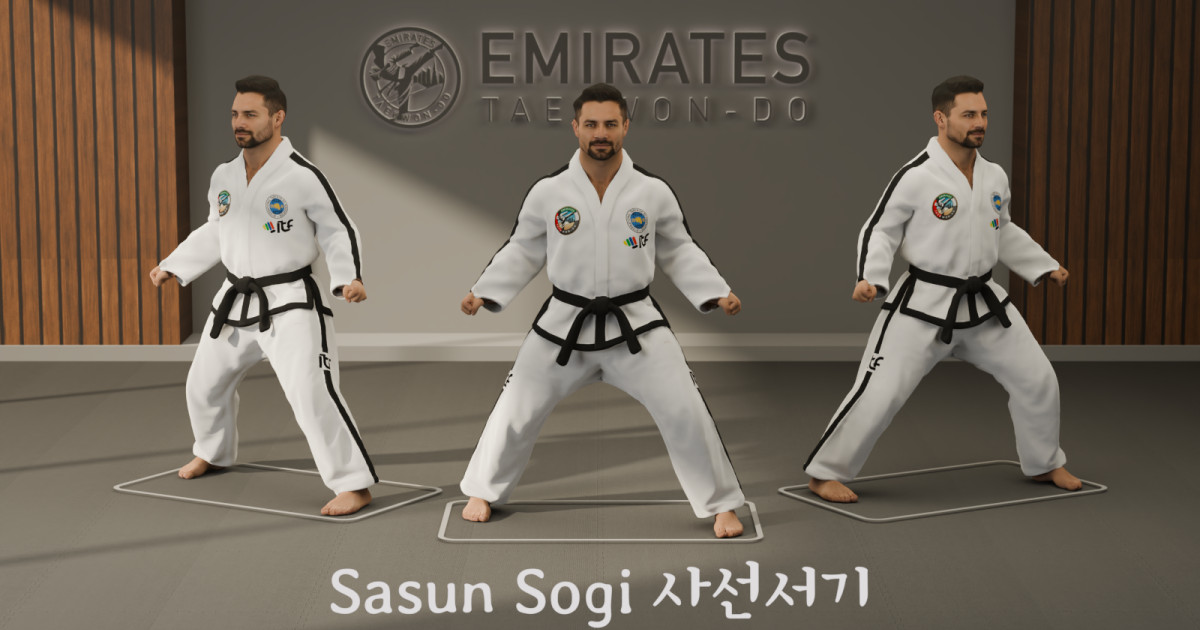
Diagonal Stance, called Sasun Sogi in Korean terminology, is an ITF Taekwon-Do stance used for attacking and defending against the front or rear. It is especially useful for shifting into Walking Stance without relocating the foot. This makes it a practical transitional stance when the practitioner must change structure efficiently while keeping the foot placement controlled.
The principle of Sitting Stance is directly applied to Diagonal Stance, except for one important change: the heel of the front foot is placed on the same line with the toes of the rear foot. This creates the diagonal relationship between the feet while keeping the strong bent-knee base associated with Sitting Stance.
This article is a technical reference. It focuses on the stance measurement, foot alignment, weight distribution, knee position, facing options, right and left naming rule, and common technical errors.
Relationship with Sitting Stance
Diagonal Stance uses the same basic lower-body principle as Sitting Stance. The stance is wide, stable, and grounded, with both knees bent and the body weight distributed equally. The feet remain parallel and point straight forward.
The difference is the foot offset. In Sitting Stance, both feet are even on the same line. In Diagonal Stance, the heel of the front foot is placed on the same line with the toes of the rear foot. This offset gives the stance its diagonal structure and allows the practitioner to shift into Walking Stance without relocating the foot.
Students should therefore avoid treating Diagonal Stance as a completely unrelated stance. It is best understood as a Sitting Stance principle adapted into a diagonal foot relationship. The knees, weight, and general base remain similar, but the foot placement changes the stance application.
Foot alignment
| Foot position | Correct standard |
|---|---|
| Front foot | Placed forward in the diagonal relationship |
| Rear foot | Placed behind in the diagonal relationship |
| Alignment rule | The heel of the front foot is on the same line with the toes of the rear foot |
| Foot angle | Both feet point straight forward at 0 degrees |
| Parallel feet | The feet remain parallel, following the Sitting Stance principle |
Right and left naming rule
Diagonal Stance is named according to the advanced foot. When the right foot is advanced, the stance is called a right diagonal stance. When the left foot is advanced, it is called a left diagonal stance.
This naming rule is important because the stance is not named by the hand position, the direction of the eyes, or the side of the technique. First identify which foot is advanced in the diagonal relationship, then name the stance as right or left.
For example, if the right foot is the front or advanced foot, the stance is right Sasun Sogi. If the left foot is the front or advanced foot, the stance is left Sasun Sogi. This rule should be checked when practicing patterns because an incorrect foot relationship can change the stance name and the technical meaning of the movement.
مکمل رخ اور طرف رخ
ترچھا موقف یا تو مکمل رخ یا طرف رخ ہو سکتا ہے۔ دونوں حملے اور دفاع کے لیے استعمال ہوتے ہیں۔ مکمل رخ میں، کندھے اور کمر اس تکنیک کی سمت میں سیدھے ہوتے ہیں۔ طرف رخ میں، جسم ایک طرف مڑتا ہے جبکہ نچلا جسمانی ڈھانچہ بغیر تبدیل ہوتا ہے۔
رخ کو موقف کی پیمائش یا پاؤں کے تعلق کو تبدیل نہیں کرنا چاہیے۔ موقف 1.5 کندھے کی چوڑائی میں رہتا ہے، پاؤں متوازی رہتے ہیں، اور سامنے کے پاؤں کی ایڑھی پیچھے کے پاؤں کی انگلیوں کے ساتھ سیدھی رہتی ہے۔
ایک عام غلطی یہ ہے کہ رخ تبدیل کرتے وقت نچلے جسم کو تبدیل کیا جائے۔ طالب علم پاؤں کو باہر کی طرف موڑ سکتا ہے، موقف کو تنگ کر سکتا ہے، یا ترچھے فاصلے کو ہٹا سکتا ہے۔ یہ Sasun Sogi کی تکنیکی نوعیت کو تبدیل کرتا ہے۔ صرف جسم کی سمت تبدیل ہوتی ہے؛ موقف خود کو پیمائش اور مستحکم رہنا چاہیے۔
Shifting into Walking Stance
Diagonal Stance کا ایک اہم عملی فائدہ یہ ہے کہ یہ Walking Stance میں منتقل ہونے کے لئے مفید ہے بغیر پاؤں کی جگہ تبدیل کیے۔ کیونکہ سامنے کی ایڑی پہلے ہی پچھلے انگلیوں کے ساتھ ایک ہی لائن پر ہے، اس لئے عمل کرنے والا جسم اور سٹانس کے تعلق کو مؤثر طریقے سے ایڈجسٹ کر سکتا ہے جب اگلی حرکت Walking Stance کی ضرورت ہو۔
اس کا مطلب یہ نہیں ہے کہ سٹانس کو بے پروائی سے یا دو پوزیشنز کے درمیان آدھے راستے پر انجام دینا چاہئے۔ Diagonal Stance ایک مکمل سٹانس ہے جس کی اپنی پیمائش، پاؤں کی ترتیب، اور استعمال ہے۔ اس کی منتقلی کی مفیدیت اس کی تکنیکی درستگی کو کم نہیں کرتی۔
اس منتقلی کی مشق کرتے وقت، طلباء کو یہ چیک کرنا چاہئے کہ وہ غیر ضروری طور پر پاؤں کو کھینچ نہیں رہے، چھلانگ نہیں لگا رہے، یا دوبارہ سیٹ نہیں کر رہے ہیں۔ Sasun Sogi کا مقصد مؤثر ساختی تبدیلی کی اجازت دینا ہے جبکہ بیس پر کنٹرول برقرار رکھنا ہے۔
Reference checklist
| چیک کریں | درست معیار |
|---|---|
| پوزیشن | Diagonal Stance (Sasun Sogi) |
| چوڑائی | 1.5 کندھے کی چوڑائی |
| بنیادی اصول | Sitting Stance کا اصول جو کہ diagonal foot offset کے ساتھ لاگو ہوتا ہے |
| پاؤں کا زاویہ | آگے کے پاؤں کی ایڑی پچھلے پاؤں کی انگلیوں کے ساتھ ایک ہی لائن میں |
| وزن | 50% سامنے کی ٹانگ اور 50% پیچھے کی ٹانگ |
| پاؤں | ہم آہنگ اور سیدھا آگے کی طرف |
| گھٹنے | پاؤں کی گیندوں پر باہر کی طرف مڑے ہوئے |
| نام دینے کا اصول | ترقی یافتہ پاؤں کے ذریعے نام دیا جاتا ہے |
| سامنے کی سمت | پورا سامنے یا سائیڈ facing |
| اہم استعمال | سامنے یا پیچھے کے خلاف حملہ اور دفاع |
Common technical errors
A common error is placing the feet evenly as in Sitting Stance. Diagonal Stance uses the Sitting Stance principle, but the feet are not placed evenly. The heel of the front foot must be on the same line with the toes of the rear foot.
Another error is using the wrong width. The stance should be 1.5 shoulder widths. If the stance becomes too narrow, it loses the strong sitting-stance base. If it becomes too wide, the knees and hips may become difficult to control.
Students also commonly turn the toes outward. The feet should remain parallel and point straight forward. Turning the toes outward changes the lower-body structure and can disturb the knee line.
Another frequent error is naming the stance by the wrong foot. The stance is named by the advanced foot. When the right foot is advanced, it is a right diagonal stance. When the left foot is advanced, it is a left diagonal stance.
The final error is changing the stance when changing the facing. Sasun Sogi may be full facing or side facing, but the lower-body structure must remain the same. The stance should remain measured, parallel, offset, equally weighted, and ready for attack, defense, or shifting into posición de caminar.
اہم اصول
قطری موقف بیٹھنے کے موقف کے اصول کو لاگو کرتا ہے، لیکن پاؤں کو اس طرح ترتیب دیتا ہے کہ سامنے کی ایڑی پچھلے انگلیوں کی ایک ہی لائن پر ہو۔
تکنیک کی شناخت
| آئٹم | تکنیکی حوالہ |
|---|---|
| حالت کا نام | ترچھی حالت |
| کوریائی اصطلاح | Sasun Sogi |
| حالت کا خاندان | Taekwon-Do حالت، یا Sogi |
| اہم استعمال | آگے یا پیچھے کے خلاف حملہ کرنا اور دفاع کرنا |
| منتقلی کی قیمت | پاؤں کو منتقل کیے بغیر Walking Stance میں منتقل ہونے کے لیے مفید |
| بنیادی اصول | ترچھی پاؤں کی ترتیب کے ساتھ بیٹھنے کی حالت کا اصول |
| رخ کے اختیارات | مکمل رخ یا طرف رخ |
اہم موقف کے ابعاد
| حوالہ نقطہ | تکنیکی ضرورت |
|---|---|
| چوڑائی | 1.5 کندھے کی چوڑائی |
| لمبائی | آگے پیچھے لمبی موقف کی لمبائی نہیں، لیکن پاؤں ترچھے ہیں |
| پاؤں کی جگہ | آگے کے پاؤں کی ایڑی پچھلے پاؤں کی انگلیوں کی اسی لائن پر رکھی گئی ہے |
| وزن کی تقسیم | 50% آگے کی ٹانگ پر اور 50% پیچھے کی ٹانگ پر |
| پاؤں کا رخ | دونوں پاؤں سیدھے آگے کی طرف اشارہ کرتے ہیں اور متوازی رہتے ہیں |
| گھٹنے کی پوزیشن | دونوں گھٹنے باہر کی طرف جھکے ہوئے ہیں پاؤں کے گولوں پر |